Personalized Rhinoplasty & Facial Aesthetics in Gangnam, Seoul · Tel: +82-2-6954-1988
en-US

CLINICAL SPECIALTY
Skin Care
Skin care at Le.J Plastic Surgery in Seoul: Ulfacial ultrasound skincare, pico toning, botulinum toxin and dermal fillers, matched at consultation.

Skin Care in Seoul at Le.J Plastic Surgery
Medically reviewed by Dr. Kim Ji Sun, M.D., M.S., Ph.D., Board-Certified Otolaryngologist · Le.J Plastic Surgery, Gangnam-gu, Seoul
Skin care at Le.J Plastic Surgery in Gangnam, Seoul covers four treatments that answer four different questions: skin condition and barrier quality, pigmentation and uneven tone, expression lines, and lost facial volume. They are grouped under one heading because they all concern the skin, not because they are substitutes for one another — a patient treated for sunspots and a patient treated for forehead lines have almost nothing in common clinically. Every treatment is assessed and performed by Dr. Kim Ji Sun, a board-certified otolaryngologist with 20 years of experience and more than 4,000 clinical cases.
What Is Skin Care at Le.J Plastic Surgery?
Skin care here means clinical treatment of skin concerns — dryness, uneven tone, rough texture, enlarged pores, acne, fine lines and early signs of ageing — rather than a cosmetic facial.
Depending on the concern, treatment may involve energy-based devices, laser, or injectable products.
Treatment selection depends on the patient's skin condition, goals and medical history, and the examination is partly diagnostic: the clinician looks for the likely cause of the concern before choosing a technique.
Some concerns require several sessions or ongoing maintenance rather than a single visit.
Results range from immediate to gradual over days or weeks, depending on which treatment is used.
No particular outcome can be guaranteed, and some pigmentary conditions can recur or worsen.
That last point is the one patients are least often told in advance, and it matters most for pigmentation. Uneven tone is not a single condition with a single answer; the right laser and the right settings depend on the type of pigmentation, the patient's skin tone, their medical history and their risk of post-inflammatory hyperpigmentation. Choosing wrongly can make the problem worse rather than better, which is why this category starts with an examination rather than a menu.
Who Performs Skin Care at Le.J Plastic Surgery

Dr. Kim Ji Sun, M.D., M.S., Ph.D.
Board-certified Otorhinolaryngologist
Every skin care treatment at Le.J Plastic Surgery is assessed and performed personally by Dr. Kim Ji Sun, the clinic's founder and Medical Director.
Dr. Kim is a board-certified otolaryngologist who earned an M.D., a Master's degree and a Ph.D. from Dankook University College of Medicine, completed internship and residency at Dankook University Hospital, trained as a Clinical Fellow in the Department of Otorhinolaryngology at Asan Medical Center, and has served as a Guest Professor at Stanford University School of Medicine in the United States.
Le.J Plastic Surgery is a single-doctor clinic, so the surgeon who assesses you is the surgeon who treats you. For dermal filler treatment in particular this is worth stating plainly, because the U.S. Food and Drug Administration recommends seeking a licensed health care provider with experience in the fields of dermatology or plastic surgery, and selecting one who is trained to perform the dermal filler injection procedure. That is advice about that category rather than a statement about this clinic, but it is the question a patient should be asking wherever they are treated.
Skin Care Options / Types Available
Treatment | What it is | Session time |
|---|---|---|
High-density ultrasound skincare system at 1, 3 and 10 MHz, with 15 programs | Approximately 6–12 minutes per solution | |
Laser treatment using picosecond pulses to target selected pigment | Not published by the clinic | |
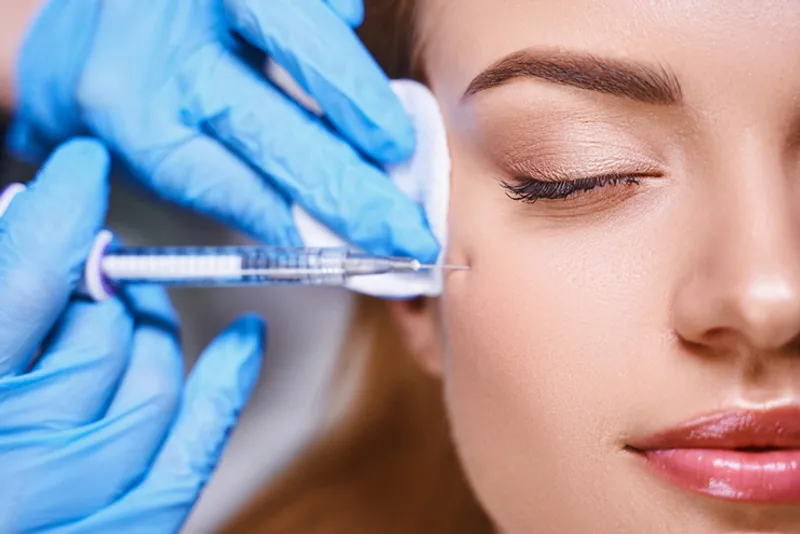
Purified neurotoxin injected to temporarily reduce muscle activity | Approximately 10–30 minutes | |
Injectable treatment, commonly hyaluronic acid based, to restore volume | Approximately 15–60 minutes |
Ulfacial is a non-invasive skincare system that uses high-density ultrasound at three frequencies, with 15 programs selected according to the patient's skin condition and treatment area. The clinic adjusts frequency, intensity and duration individually, and uses it both on its own and before and after lifting treatments to support skin regeneration and soothing. It targets elasticity, hydration, texture, pore appearance, tone and skin-barrier strength — skin condition rather than sagging tissue. The clinic also offers THOR facial for toroidal radiofrequency care and HI facial for HIFU care, and optional booster care may include niacinamide, PDRN, hyaluronic acid, glutathione, NMN, adenosine and vitamin capsules.
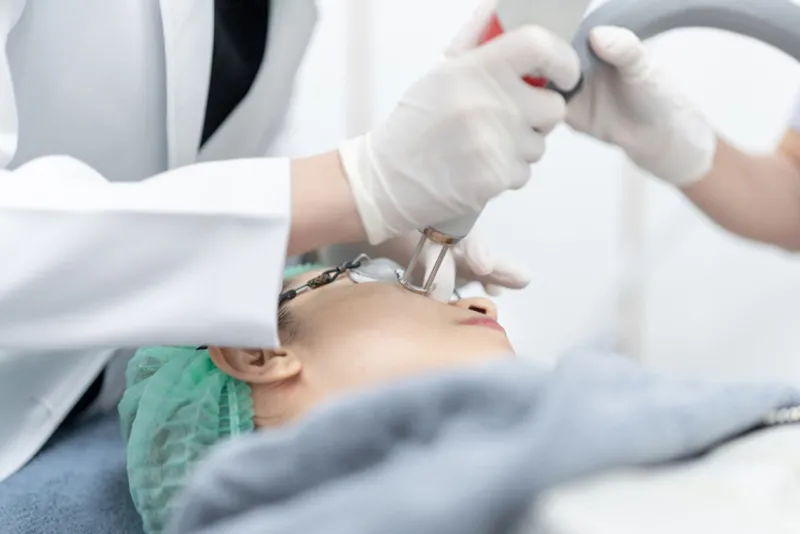
Pico toning uses very short picosecond laser pulses to target selected pigment in the skin, for concerns such as uneven tone and sunspots. Multiple sessions are commonly recommended, with reassessment between treatments.
Botulinum toxin injections temporarily reduce muscle activity, softening dynamic facial wrinkles such as forehead lines and crow's feet. Effects begin within roughly one to three days, develop over about one to two weeks, and commonly last around three to four months. The American Academy of Dermatology describes a comparable timeline for the category and makes the point that the treated muscles are weakened just enough to soften lines without removing natural expression.
Dermal fillers restore lost facial volume, soften certain wrinkles and folds, and enhance features such as the lips, cheeks and chin. Many contain hyaluronic acid. Results are often visible immediately, though swelling can temporarily affect the appearance. The American Society of Plastic Surgeons notes for the category that fillers are not permanent and that ongoing treatment is needed to maintain the result; the clinic's own figure for hyaluronic acid products is approximately 6–18 months, varying by product, area and individual.
Botulinum toxin and dermal fillers are frequently confused with each other, and they are not interchangeable: one reduces muscle activity, the other restores or adds volume. A line caused by repeated expression and a hollow caused by volume loss are different problems.
Who Is a Good Candidate for Skin Care?
Suitable candidates:
People seeking to improve a specific skin concern — dryness, uneven texture, acne, enlarged pores, pigmentation or early signs of ageing.
For Ulfacial: patients concerned about reduced elasticity, dryness, rough texture, a weakened skin barrier, dullness, visible pores, or mild sagging and fine lines, including those wanting skin preparation or recovery support around lifting treatments.
For pico toning: adults with selected forms of pigmentation or uneven skin tone, assessed by a clinician.
For botulinum toxin: adults seeking temporary improvement in expression-related wrinkles, where muscle activity is the cause.
For dermal fillers: adults who want to restore lost volume, soften certain wrinkles and folds, or improve facial contours.
Who should postpone or be assessed further:
Anyone with an active skin infection, open wound, significant irritation, or an inflammatory skin condition in the treatment area.
Anyone with a known allergy to a treatment's ingredients.
Patients who are pregnant or breastfeeding, for whom several of these treatments are generally deferred.
Patients with a history of abnormal scarring, or taking medications that affect skin sensitivity, healing or bleeding.
For pico toning specifically: anyone with recent sunburn or recent tanning, a history of pigmentary complications, photosensitivity, or medications that increase light sensitivity.
For botulinum toxin specifically: anyone with certain neuromuscular disorders, or a history of swallowing or breathing problems.
For Ulfacial specifically: patients should disclose implanted electronic devices and metal implants in the treatment area.
What to Expect: Procedure, Recovery, and Results Timeline
The consultation reviews your skin concerns, medical history, allergies, medications, previous procedures and current skincare routine, and the skin is examined to determine the likely cause of the concern. Options, expected benefits, risks, costs, recovery and follow-up needs are discussed before anything is agreed. Many of these treatments require no anaesthesia at all; where comfort measures are used they are generally topical numbing cream or cooling, and several products contain lidocaine.
Treatment | Recovery | When results appear |
|---|---|---|
Ulfacial | No recovery period generally required; normal activities immediately | Varies with skin condition, settings and number of sessions; a weekly course may be recommended |
Pico Toning | Mild redness or swelling settling within hours to a few days; temporary darkening or crusting possible | Over days to weeks; a series of sessions is often needed |
Botulinum Toxin | Ordinary activities shortly after; redness or swelling within hours to a few days, bruising longer | Initial effects within 1–3 days, developing over 1–2 weeks; lasting around 3–4 months |
Dermal Fillers | Normal activities soon after; swelling, redness and bruising improving over several days | Often immediate, with the final result clearer as swelling settles over days or weeks |
For travel planning the clinic distinguishes between the lighter and heavier ends of this category: basic skin care treatments may need a stay of only 1–2 days, and many patients can fly home the same day or within 1–2 days. More intensive treatments — certain laser procedures in particular — may require additional recovery time or follow-up visits, so the schedule is worth confirming for your specific plan rather than assuming the short version.
Side effects across the category are mostly temporary: redness, dryness, mild swelling, stinging, irritation or sensitivity, with peeling or bruising after certain treatments. The more serious possibilities differ by treatment. Laser treatment can cause burns, blistering, crusting, infection, temporary or persistent hyperpigmentation or hypopigmentation, and in uncommon cases scarring. Botulinum toxin can cause eyelid or brow drooping, unwanted muscle weakness or temporary asymmetry depending on injection site, and rarely the toxin's effects can spread beyond the injection site and cause difficulty swallowing or breathing, which requires immediate medical attention. Dermal fillers can cause lumps, asymmetry, infection and delayed inflammatory reactions, and rarely blood vessel blockage, tissue damage and vision loss.
That last group of complications is the reason the warning signs are worth memorising rather than skimming. The U.S. regulator's guidance for the injectable category advises patients to seek immediate medical attention for unusual pain, vision changes, or a white, grey or blue appearance of the skin near the injection site. Severe pain, unusual skin discoloration or visual changes after treatment are not symptoms to monitor at home.
Aftercare across the category follows a common pattern: gentle cleansing, moisturiser and broad-spectrum sun protection, no picking or scrubbing of treated skin, and temporary restrictions on makeup, intense exercise, saunas, swimming and active skincare ingredients depending on the procedure. After pico toning in particular, limiting direct sun exposure is part of the treatment rather than general advice, since sun exposure affects whether the result persists.
Combining Skin Care with Other Treatments
Ulfacial can be combined with lifting treatments, THOR facial or HI facial, and is used by the clinic both before and after lifting procedures. Botulinum toxin may be combined with dermal fillers or selected skin-rejuvenation treatments, with sequencing set to account for risks, recovery and the patient's goals. Dermal fillers may be combined with botulinum toxin, selected rejuvenation treatments or laser procedures when clinically appropriate. Pigmentation treatments may be combined with other skincare procedures as part of a clinician-directed plan — but combining them can increase irritation and pigmentary risk, so timing and suitability have to be assessed individually rather than assumed.
Two limits, stated rather than glossed. The clinic has not confirmed a combination protocol for this specialty as a whole, so what appears above is treatment-by-treatment rather than a clinic programme. The clinic publishes no per-procedure pages for these, so they are listed without links rather than linked to pages that do not exist.
Patients often arrive asking for skin care when the concern belongs elsewhere. Sagging that a device cannot address is facial lifting and contouring; treatments aimed at skin quality through injectables sit under anti-aging and regenerative care. Sorting out which category a concern belongs to is part of what the consultation is for.
Safety, Precision, and Clinic Standards
Le.J Plastic Surgery is a Registered Medical Institution for Attracting Foreign Patients, certified by the Ministry of Health and Welfare in compliance with the Medical Overseas Expansion and Foreign Patients Attraction Act. This is a registration for treating international patients; it is not an accreditation of any treatment in this category.
For a category built largely on devices and injectables, the controls that matter are assessment and settings rather than anything visible on the day. For pico toning the clinic's documentation is explicit that the appropriate laser and settings follow from the type of pigmentation, the patient's skin tone, their medical history and their risk of post-inflammatory hyperpigmentation. For Ulfacial, frequency, intensity and duration are adjusted to the patient's skin condition rather than run at a standard setting. For the injectables, sterile single-use equipment and an accurate assessment of the treatment area carry the safety load.
Le.J Plastic Surgery publishes neither case volumes nor complication rates for this specialty, and this page claims neither. It has also not published a risk-reduction protocol specific to this category, nor clinic-specific technique details for pico toning, botulinum toxin or dermal fillers. Both are fair questions at consultation.
The Bottom Line
Skin care at Le.J Plastic Surgery is four treatments addressing four different concerns: skin condition, pigmentation, expression lines and volume loss.
Botulinum toxin and dermal fillers are not interchangeable — one reduces muscle activity, the other restores volume.
Pigmentation is the concern that most depends on correct diagnosis, because the wrong laser or settings can worsen it.
All four are assessed and performed by Dr. Kim Ji Sun, a board-certified otolaryngologist with 20 years of experience and 4,000+ clinical cases.
Plan 1–2 days for basic treatments; more intensive laser work may need longer, and several treatments are given as a course rather than once.
Frequently Asked Questions
Which treatment do I need for uneven skin tone? Probably pico toning, but only after an examination. Pigmentation has several causes, and the appropriate laser and settings depend on which one is present, on your skin tone, and on your risk of post-inflammatory hyperpigmentation. The clinic's documentation is clear that results are not guaranteed and that some pigmentary conditions can recur or worsen — which is an argument for diagnosis first rather than a reason to avoid treatment.
How long do I need to stay in Korea? For basic skin care treatments, as little as 1–2 days, and many patients can fly home the same day or within 1–2 days. More intensive treatments such as certain laser procedures may need additional recovery time or follow-up visits. Ask for the schedule for your specific plan before booking, particularly if a course of sessions is recommended.
Will any of this hurt? Expect temporary stinging, warmth or tingling rather than pain. Ulfacial is non-invasive and is generally performed without anaesthesia. Pico toning may produce brief stinging or snapping sensations. Botulinum toxin injections generally need no anaesthesia and feel like brief pinching. For fillers, some products contain lidocaine and topical numbing cream may be used.
How long do the results last? It depends entirely on the treatment. Botulinum toxin commonly lasts around three to four months. Hyaluronic acid fillers last approximately 6–18 months, varying by product, area and individual factors. Ulfacial results depend on skin condition, settings and the number of sessions, and a weekly course may be recommended. Pigmentation results vary, and sun exposure, ageing and the underlying condition all affect whether they persist.
What is Ulfacial, and is it a lifting treatment? It is a high-density ultrasound skincare system — not a lifting treatment. The clinic is explicit that it focuses on skin condition and skincare support rather than on lifting sagging tissue, and uses it alongside lifting procedures rather than instead of them. If your concern is sagging, the relevant treatments sit in a different category.
What should I tell the clinic before treatment? Your medical history, allergies, current medications and supplements, your skincare products, previous cosmetic treatments, and any history of cold sores or abnormal scarring. Mention recent sun exposure or tanning, implanted electronic devices or metal implants if Ulfacial is planned, and any swallowing or breathing problems if botulinum toxin is planned. Do not stop prescribed medication without advice from the prescribing clinician.
What should I watch for after an injectable treatment? Mild swelling, bruising and tenderness are expected and settle over several days. What is not expected — and what warrants urgent care rather than waiting — is severe or increasing pain, unusual skin discoloration, or any change in vision. After botulinum toxin, difficulty breathing or swallowing or widespread weakness also requires urgent medical care.
Book a Consultation at Le.J Plastic Surgery
Skin care at Le.J Plastic Surgery in Gangnam, Seoul begins with an examination to work out what is actually causing the concern you came in with — which, in this category, often changes which treatment is recommended. Consultations run Monday to Friday, 10:00–19:00 KST, and Saturday from 10:00 KST. International enquiries are handled by the clinic's counseling manager, Park Somi, and English-language support is available. If you are travelling from abroad, ask whether your plan is a single visit or a course of sessions before booking flights. You can use the clinic's contact page, by phone at +82-2-516-7153 or by email at info@lejplasticsurgery.com.
Disclaimer
This page is for general information only and is not medical advice. Individual results vary and cannot be guaranteed. Suitability for any procedure can only be determined through an in-person medical consultation with a qualified doctor.
Sources & Further Reading
Ready for a Personalized 1:1 Consultation?
Dr. Kim Ji Sun personally conducts every consultation, surgical plan, and follow-up at Le.J Plastic Surgery in Gangnam, Seoul.