Personalized Rhinoplasty & Facial Aesthetics in Gangnam, Seoul · Tel: +82-2-6954-1988
en-US

CLINICAL PROCEDURE GUIDE
Pico Toning
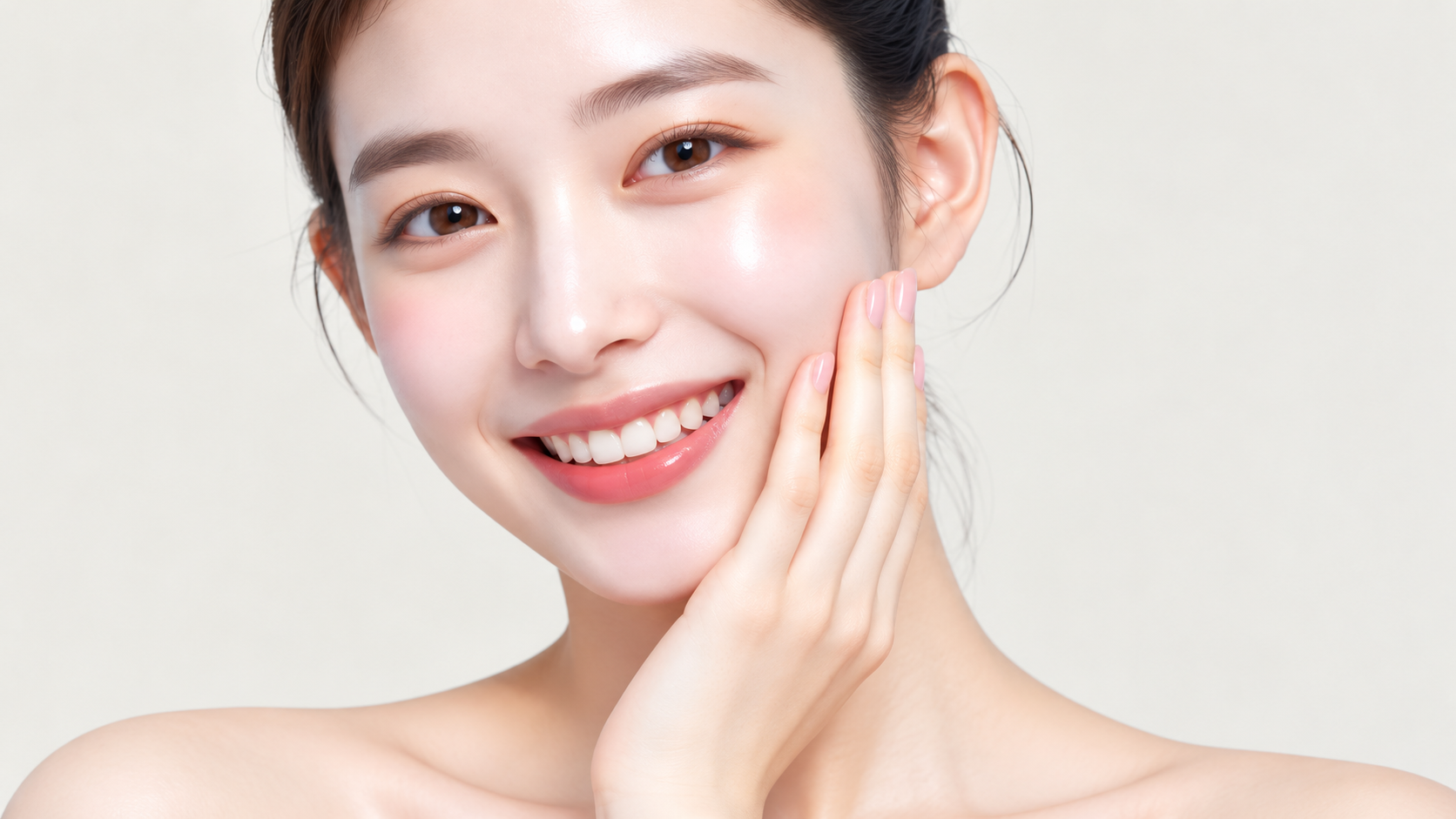
Pico Toning at Le.J Plastic Surgery in Gangnam, Seoul is a picosecond laser treatment that may improve the appearance of selected pigmentation concerns and uneven skin tone, performed personally by Dr. Ji Sun Kim.

Pico Toning in Seoul at Le.J Plastic Surgery
Medically reviewed by Dr. Kim Ji Sun, M.D., M.S., Ph.D., Board-Certified Otolaryngologist · Le.J Plastic Surgery, Gangnam-gu, Seoul
Pico toning is a laser treatment that uses very short picosecond pulses to target selected pigment in the skin. Depending on the device and settings, it may be used to improve the appearance of certain pigmentation concerns and uneven skin tone. At Le.J Plastic Surgery in Gangnam-gu, Seoul it sits within the clinic's Skin Care range, and it is performed personally by Dr. Kim Ji Sun, the clinic's founder and Medical Director and the listed performing doctor for the parent Skin Care specialty.
The clinic's own description of this treatment is deliberately conditional, and the conditions are the useful part: pico toning may help improve the appearance of selected pigmentation concerns and uneven skin tone, and suitability, treatment settings, expected results and recovery depend on individual assessment. Pigmentation is not one condition with one answer, and the word doing the most work on this page is selected.
What Is Pico Toning?
Pico toning delivers laser energy in picosecond pulses — pulses measured in trillionths of a second — aimed at pigment within the skin rather than at the skin surface as a whole.
The target is selected pigment; the stated purpose is the appearance of certain pigmentation concerns and uneven skin tone.
Which laser is appropriate, and at which settings, depends on the type of pigmentation, the patient's skin tone, medical history, and the risk of post-inflammatory hyperpigmentation.
Multiple sessions may be recommended, with reassessment between treatments.
Results are not guaranteed, and some pigmentary conditions can recur or worsen.
Treatment may be performed without sedation; topical anaesthetic or other comfort measures depend on the device, treatment area and clinical plan.
That fourth point is not a disclaimer tacked onto an otherwise optimistic list — it is the clinical reality of treating pigment, and it is why assessment comes before device selection rather than after it. The American Academy of Dermatology makes the same point from the category side: lasers can treat conditions including melasma and age spots, but darker skin is more prone to burns and dark marks after laser treatments, so patients should work with a board-certified dermatologist experienced in treating darker skin with lasers. The same body's melasma guidance notes that the most effective approach usually combines sun protection with medication applied to the skin, and sometimes a procedure, with laser or light treatment adding to results for patients already doing those two things. Both are statements about the category, and both are reasonable things to hold any clinic to, in any country.
The clinic has not published technology or equipment details for this service, and has not published technique details specific to its own protocol. This page does not supply either in their place — no device name, no wavelength, no settings. At clinic level the Foundation states only that skin-care equipment may include skin analysis systems, cleansing and exfoliation devices, LED devices, lasers, radiofrequency systems, ultrasound-based devices, microneedling equipment or injection supplies. Which of those is used for a given appointment is a question for the consultation.
Who Performs Pico Toning at Le.J Plastic Surgery

Dr. Kim Ji Sun, M.D., M.S., Ph.D.
Board-certified Otorhinolaryngologist
Pico Toning is performed personally by Dr. Kim Ji Sun, the clinic's founder and Medical Director and the listed performing doctor for the parent Skin Care specialty.
Dr. Kim is a board-certified otolaryngologist who earned an M.D., a Master's degree and a Ph.D. from Dankook University College of Medicine, completed internship and residency at Dankook University Hospital, trained as a Clinical Fellow in the Department of Otorhinolaryngology at Asan Medical Center, and has served as a Guest Professor at Stanford University School of Medicine in the United States.
Dr. Kim's most recent relevant academic activity is a 2026 lecture on non-surgical facial rejuvenation and closed rhinoplasty at the 12th meeting of the Korean Academy of Facial Plastic and Reconstructive Surgery, where Dr. Kim is a regular member and serves on the academic, public-relations and international committees.
Le.J Plastic Surgery is a single-doctor clinic, so the surgeon who assesses you is the surgeon who treats you. For a pigment treatment that matters in a particular way, because the assessment is not a preference conversation. The clinician reviews skin concerns, medical history, medications, previous treatments and expectations, and examines the skin to determine the likely cause of the pigmentation and whether laser treatment is appropriate at all. A patient who arrives with a device name in mind is answering a question that comes second.
Who Is a Good Candidate for Pico Toning?
Suitable candidates:
Adults with selected forms of pigmentation or uneven skin tone who have been assessed by a qualified clinician.
Patients whose pigmentation type, skin tone and medical history support the use of a laser at appropriate settings.
Patients with realistic expectations about the number of sessions and about recurrence.
Who should avoid or postpone:
People with active skin infection, open wounds, significant irritation, or recent sunburn.
People with a history of pigmentary complications, which requires medical assessment.
People with photosensitivity, or taking medications that increase light sensitivity, which requires medical assessment.
Pregnancy and breastfeeding should be discussed with the treating clinician, because elective laser treatment may be deferred.
At clinic level the Skin Care profile adds the general conditions too: treatment may be unsuitable or require postponement for people with active skin infections, open wounds, significant irritation, certain inflammatory skin conditions, or known allergies to treatment ingredients, and additional precautions may apply for people with a history of abnormal scarring or on medications that affect skin sensitivity or healing.
Recent sun exposure deserves its own line, because it is the most common avoidable reason an appointment is postponed and the easiest thing for a travelling patient to get wrong. A trip that includes several days outdoors before a laser appointment is a trip that may not include the laser appointment.
What to Expect: Procedure, Recovery, and Results Timeline

The clinic describes the course of treatment in seven steps: consultation and skin assessment; confirmation of suitability and planning; cleansing and preparation of the skin; protective eyewear and any appropriate comfort measures; delivery of laser pulses to the planned treatment area; cooling or soothing care if indicated; and instructions for sun protection and aftercare.
Stage | What the clinic states |
|---|---|
Session length | Not published for this service. At Skin Care level the clinic states a session may take approximately 15–90 minutes depending on the procedure and whether consultation or preparation is included |
Anaesthesia | May be performed without sedation; topical anaesthetic or other comfort measures depend on the device, area and plan |
During treatment | Mild stinging, warmth, or a snapping sensation; comfort varies with skin sensitivity, settings and area |
Immediately after | Temporary redness, warmth, mild swelling, tenderness or skin sensitivity |
Early recovery | Mild redness or swelling may settle within hours to a few days, depending on intensity and individual response |
Possible | Some settings may cause temporary darkening or crusting of treated spots |
When changes appear | Over days to weeks, depending on the type of pigmentation and the response |
Course | Some concerns require a series of sessions, with reassessment between treatments |
Aftercare is where the result is protected or lost. Use broad-spectrum sunscreen, limit direct sun exposure, keep skincare gentle, and avoid picking or rubbing treated areas. Follow the clinician's instructions about makeup, exfoliation and active ingredients. Contact the clinic for blistering, severe pain, signs of infection, or unexpected skin changes.
Results develop gradually and may improve over several weeks after treatment, and multiple sessions may be recommended, particularly for persistent pigmentation. There is no single final-result timeline for every patient; the clinic should provide an individualized estimate. Longevity varies too — sun exposure, aging and the underlying pigmentation condition can all affect whether an improvement persists or the pigmentation recurs. The clinic has not published its own figures for when results become visible or final, so no clinic-specific timing is claimed here.
For an international patient, the required stay depends on the treatment plan, the skin response, and whether follow-up appointments are needed. A single session may not require an extended stay, but the recommended schedule should be confirmed with the clinic before travelling. The clinic has not published guidance on when to fly home after this treatment specifically, so none is given here; at Skin Care level it states that the provider should give procedure-specific guidance, especially for patients planning air travel, which makes this a question to ask at the appointment rather than afterwards. If something feels wrong after returning home, patients can reach the clinic's English-speaking counselling manager by phone or email.
Combining Pico Toning with Other Treatments
Other clinician-directed skin procedures — the clinic states that some pigmentation treatments may be combined with other skincare procedures as part of a clinician-directed plan.
Topical pigment-targeting skincare — named by the clinic as an alternative, and relevant alongside a procedure for some diagnoses.
Other laser or light-based treatments, and selected chemical peels — also named as alternatives, with the clinic's own warning that these options are not interchangeable.
The clinic publishes no per-procedure pages for several of these, so they are listed without links rather than linked to pages that do not exist.
The clinic's caution on combining is specific and worth quoting in substance rather than paraphrasing into something softer: combining treatments can increase irritation or pigmentary risk, so timing and suitability must be assessed individually. For pigmentation that is the whole game — the complication this category is most often judged on is post-inflammatory hyperpigmentation, and stacking procedures is one of the ways it arrives. Which option is appropriate should be chosen after clinical assessment, not from a menu.
Safety, Precision, and Clinic Standards
Le.J Plastic Surgery is a Registered Medical Institution for Attracting Foreign Patients, certified by the Ministry of Health and Welfare in compliance with the Medical Overseas Expansion and Foreign Patients Attraction Act. This is a registration for treating international patients; it is not an accreditation of any treatment in this category.
The clinic has not published a risk-reduction protocol specific to this procedure, so none is described here in its place.
The common effects are temporary: redness, swelling, tenderness or mild discomfort, warmth, and skin sensitivity, and some patients experience temporary darkening or changes in pigmentation after treatment. The less common ones are the reason settings are a medical decision rather than a preference — burns, blistering, crusting, infection, temporary or persistent hyperpigmentation or hypopigmentation, and scarring in uncommon cases. Persistent or unexpected changes should be reported to the clinic rather than waited out.
Preparation does real work against that list. Arrive with clean skin and disclose medications, allergies, previous laser treatments, recent tanning and any history of pigmentation problems. Avoid sunburn, and follow the clinic's instructions regarding sun exposure, skincare actives, exfoliation and other treatments. Ask whether you should temporarily stop retinoids, exfoliating products or other procedures that may irritate the skin — and do not discontinue prescribed medication without medical advice.
Le.J Plastic Surgery publishes neither case volumes nor complication rates for this procedure, and this page claims neither.
The Bottom Line
Pico toning uses very short picosecond laser pulses to target selected pigment in the skin.
The clinic's own description is conditional: it may help improve the appearance of selected pigmentation concerns and uneven skin tone.
Suitability, settings, expected results and recovery all depend on individual assessment, including skin tone and the risk of post-inflammatory hyperpigmentation.
Multiple sessions with reassessment between them are common, and some pigmentary conditions can recur or worsen.
Sun protection is part of the treatment, not an optional extra afterwards.
The clinic publishes no device details, no protocol details, no session length for this service and no price, and none are supplied here.
Frequently Asked Questions
Will this remove my pigmentation permanently? No permanent outcome is claimed. The clinic's stated wording is that the treatment may help improve the appearance of selected pigmentation concerns and uneven skin tone, and it states plainly that results are not guaranteed and that some pigmentary conditions can recur or worsen. Sun exposure, aging and the underlying condition all affect how long any improvement lasts.
How many sessions will I need, and how long does each take? Some concerns require a series of sessions with reassessment between them, and the number is set after assessment rather than in advance. The clinic has not published a session length for this treatment specifically; at Skin Care level it states that a session may take approximately 15–90 minutes depending on the procedure and whether consultation or preparation is included.
Does it hurt? Patients may feel mild stinging, warmth, or a snapping sensation during treatment, and comfort varies with skin sensitivity, settings and the area treated. Treatment may be performed without sedation; whether topical anaesthetic or another comfort measure is used depends on the device, the area and the clinical plan, so ask at consultation.
Is this safe for darker skin tones? It is a question the assessment exists to answer rather than one with a general yes. The appropriate laser and settings depend on the type of pigmentation, the skin tone, medical history and the risk of post-inflammatory hyperpigmentation, and the category's own patient guidance notes that darker skin is more prone to burns and dark marks after laser treatment and should be treated by someone experienced with it.
What should I do about sun exposure before and after? Avoid tanning and sunburn beforehand, and follow the clinic's instructions on sun exposure in the days leading up to the appointment. Afterwards, use broad-spectrum sunscreen and limit direct sun. For a travelling patient this is the practical constraint to plan around, because recent sun exposure is a common reason an appointment is postponed.
When will I see a change, and when is the result final? Changes may become noticeable over days to weeks, depending on the type of pigmentation and the response, and may continue to improve over several weeks. There is no single final-result timeline for every patient — the clinic should give you an individualized estimate, and reassessment between sessions is part of how that estimate is revised.
How long should I stay in Korea? The required stay depends on the treatment plan, the skin response and whether follow-up appointments are needed. A single session may not require an extended stay, but confirm the recommended schedule with the clinic before travelling, and ask specifically about air travel after treatment — the clinic states that procedure-specific guidance on that comes from the provider.
Who should not have this treatment? Anyone with active skin infection, open wounds, significant irritation or recent sunburn should postpone. A history of pigmentary complications, photosensitivity, or medications that increase light sensitivity all require medical assessment first, and pregnancy or breastfeeding should be discussed with the treating clinician, because elective laser treatment may be deferred.
Book a Consultation at Le.J Plastic Surgery
Pico Toning is offered at Le.J Plastic Surgery in Gangnam-gu, Seoul by Dr. Kim Ji Sun, within the clinic's Skin Care range. Because the right setting depends on what is causing the pigmentation, the consultation is where it is established whether a laser is the right answer at all. Consultations run Monday to Friday, 10:00–19:00 KST, and Saturday from 10:00 KST. International enquiries are handled by the clinic's counseling manager, Park Somi, and English-language support is available. You can use the clinic's contact page, by phone on +82-2-516-7153, or by email at info@lejplasticsurgery.com.
Disclaimer
This page is for general information only and is not medical advice. Individual results vary and cannot be guaranteed. Suitability for any procedure can only be determined through an in-person medical consultation with a qualified doctor.
Sources & Further Reading
Ready for a Personalized 1:1 Consultation?
Dr. Kim Ji Sun personally conducts every consultation, surgical plan, and follow-up at Le.J Plastic Surgery in Gangnam, Seoul.