Personalized Rhinoplasty & Facial Aesthetics in Gangnam, Seoul · Tel: +82-2-6954-1988
en-US

CLINICAL PROCEDURE GUIDE
Hyperbaric Oxygen Therapy (HBOT)
Hyperbaric Oxygen Therapy (HBOT) at Le.J Plastic Surgery in Gangnam, Seoul is physician-supervised treatment in a pressurized chamber, provided for recognized medical indications after medical screening.

Hyperbaric Oxygen Therapy (HBOT) in Seoul at Le.J Plastic Surgery

Medically reviewed by Dr. Kim Ji Sun, M.D., M.S., Ph.D., Board-Certified Otolaryngologist · Le.J Plastic Surgery, Gangnam-gu, Seoul
Hyperbaric Oxygen Therapy (HBOT) is a medical treatment in which the patient breathes medical-grade oxygen inside a pressurized chamber. The increased pressure allows more oxygen to dissolve into the blood and reach tissues. Clinically established HBOT is used for selected conditions such as decompression sickness, carbon monoxide poisoning, certain problem wounds, radiation tissue injury, refractory osteomyelitis, compromised grafts or flaps, and other recognized indications. At Le.J Plastic Surgery in Gangnam-gu, Seoul it sits within the clinic's Anti-Aging & Regenerative range, and it is performed personally by Dr. Kim Ji Sun, the clinic's founder and Medical Director and the listed performing doctor for the parent Anti-Aging & Regenerative specialty.
One boundary belongs at the top of this page rather than buried in it. The clinic's own description of HBOT is a medical one, tied to recognized indications and to a physician's judgement about them — and the clinic states directly that HBOT should not automatically be described as a combination treatment for wellness, anti-aging or cosmetic purposes. Separately, the clinic lists hyperbaric oxygen equipment among its postoperative recovery facilities. Both of those are true at once, and this page keeps them apart rather than letting the second quietly imply the first.
What Is Hyperbaric Oxygen Therapy (HBOT)?
HBOT is a physician-prescribed treatment in which a patient breathes medical-grade oxygen at a pressure above normal atmospheric pressure, so that more oxygen dissolves into the blood and reaches body tissues.
Treatment takes place inside a medical hyperbaric chamber rather than through a mask alone at ordinary pressure.
The pressure, the session length and the frequency are set by the physician according to the underlying condition.
The recognized indications the clinic names include decompression sickness, carbon monoxide poisoning, certain problem wounds, radiation tissue injury, refractory osteomyelitis, and compromised grafts or flaps.
Depending on the condition, HBOT may be used as a primary treatment or alongside surgery, wound care, antibiotics or other medical treatment.
A typical session involves approximately 90–120 minutes of oxygen breathing at treatment pressure, plus the time needed for compression and decompression.
The word "typical" is carrying real weight in that last point, because HBOT is not one treatment with one schedule. An emergency indication may be answered by a single treatment or a small number of them. An elective indication such as a problem wound is a course, commonly delivered daily over several weeks. A patient who reads a session length and plans a trip around it has planned around the wrong number; the number that matters is how many sessions, and only a physician who has seen the diagnosis can give it.
On equipment, the clinic states that HBOT is delivered using a medical hyperbaric chamber, that chambers may be monoplace — designed for one patient — or multiplace, accommodating several patients with oxygen delivered through a mask or hood, and that clinical chambers should meet applicable safety and pressure-vessel standards. It has not published which configuration its own equipment uses, and this page does not guess at one. The clinic has not published technique details specific to its own protocol, and this page does not supply any in their place.
Who Performs Hyperbaric Oxygen Therapy (HBOT) at Le.J Plastic Surgery
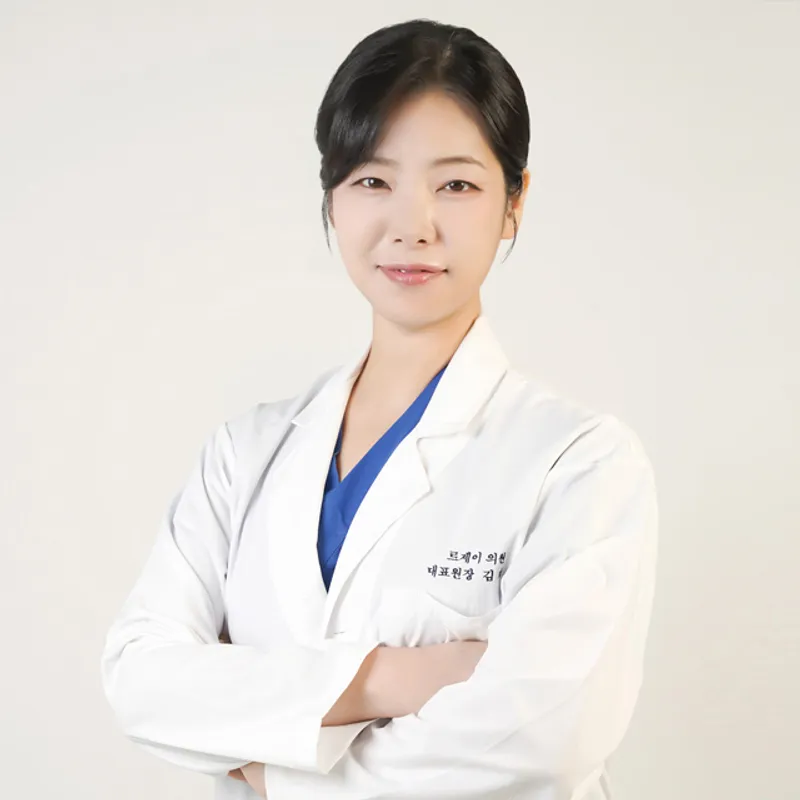
Dr. Kim Ji Sun, M.D., M.S., Ph.D.
Board-certified Otorhinolaryngologist
Hyperbaric Oxygen Therapy (HBOT) is performed personally by Dr. Kim Ji Sun, the clinic's founder and Medical Director and the listed performing doctor for the parent Anti-Aging & Regenerative specialty.
Dr. Kim is a board-certified otolaryngologist who earned an M.D., a Master's degree and a Ph.D. from Dankook University College of Medicine, completed internship and residency at Dankook University Hospital, trained as a Clinical Fellow in the Department of Otorhinolaryngology at Asan Medical Center, and has served as a Guest Professor at Stanford University School of Medicine in the United States. Hyperbaric oxygen therapy for post-operative recovery is listed among the clinic's subspecialty technique areas, alongside preoperative 3D CT and endoscopic assessment.
Dr. Kim's most recent relevant academic activity is a 2026 lecture on non-surgical facial rejuvenation and closed rhinoplasty at the 12th meeting of the Korean Academy of Facial Plastic and Reconstructive Surgery, where Dr. Kim is a regular member and serves on the academic, public-relations and international committees.
Le.J Plastic Surgery is a single-doctor clinic, so the surgeon who assesses you is the surgeon who treats you. For this treatment in particular, the assessment is the substance of the service rather than a formality preceding it: the physician reviews the diagnosis, medical history, medications, previous surgeries, current symptoms and relevant contraindications, then decides whether HBOT is appropriate at all and, if it is, sets the treatment pressure, session duration and frequency according to the underlying condition.
Who Is a Good Candidate for Hyperbaric Oxygen Therapy (HBOT)?
Suitable candidates:
Patients with a medical condition for which HBOT has an accepted indication, who have been evaluated by a qualified physician.
Patients for whom HBOT is being used as a primary treatment, or alongside surgery, wound care, antibiotics or other medical treatment.
International patients who want access to structured, physician-supervised hyperbaric care as part of treatment for a recognized medical condition.
Who may be unsuitable, or needs further assessment:
People with untreated pneumothorax.
People with significant difficulty equalizing ear pressure.
People with some lung conditions.
People taking medications, or with medical conditions, that may increase oxygen-toxicity or seizure risk.
The clinic is explicit that suitability must be determined through medical screening rather than a fixed public checklist, and the list above should be read in that spirit — as the reasons a screening exists, not as a form to score yourself against. It also publishes no exclusion list of its own. Both are fair questions at consultation.
This matters more for HBOT than for an elective aesthetic treatment, because the question a candidate is really asking is not "am I allowed to have this" but "is this the right treatment for what I have". That question is answered by the diagnosis, and the diagnosis is not something a page can supply.
What to Expect: Procedure, Recovery, and Results Timeline
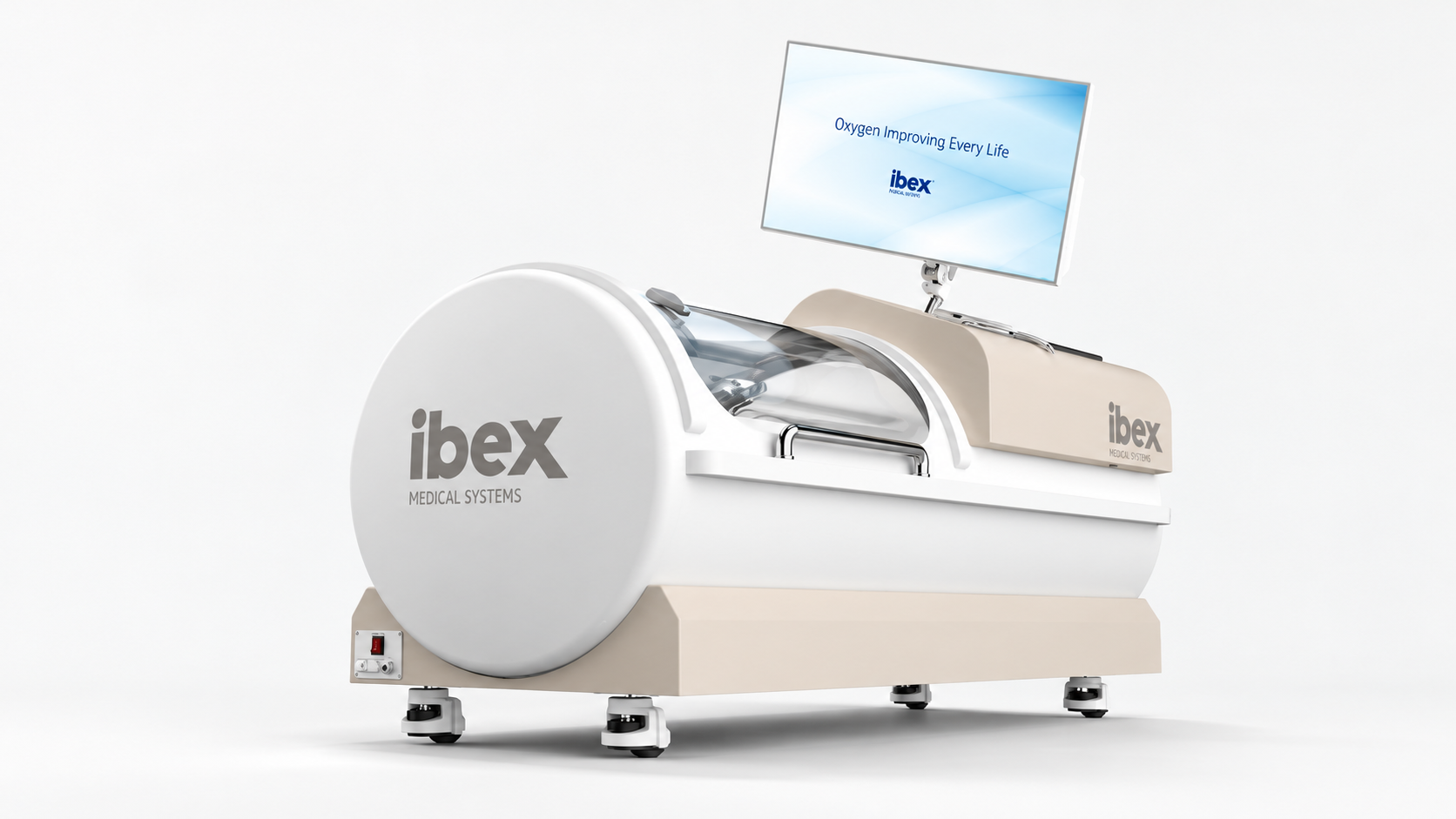
The clinic describes the course of a session in eight steps: medical assessment, in which the physician confirms the indication and safety; preparation, in which the patient changes into approved clothing and removes prohibited items; chamber entry; gradual pressurization; oxygen treatment at the prescribed pressure; monitoring by staff throughout; gradual decompression; and discharge after assessment.
Stage | What the clinic states |
|---|---|
Session length | Approximately 90–120 minutes of oxygen breathing at treatment pressure |
Total appointment | Longer, because the chamber must be gradually pressurized and depressurized |
Comfort | Generally not painful; pressure or fullness in the ears during compression and decompression, similar to an airplane flight |
Equalizing | Staff usually teach techniques such as swallowing or gently equalizing ear pressure |
Monitoring | Staff monitor the patient throughout the session |
After the session | Patients are assessed according to the facility's protocol before leaving the treatment area |
Course | Many elective indications require a series of treatments, commonly daily for several weeks |
Longer courses | Some recognized indications require daily treatment for approximately four to eight weeks; emergency conditions can follow different schedules |
HBOT generally does not involve a surgical recovery period, and patients can usually leave after the session once they have been assessed. Recovery from the underlying condition is a separate matter and may require multiple sessions over several weeks.
Results depend on the underlying diagnosis. Some emergency indications may require only one or a small number of treatments, while chronic wounds and other conditions may require repeated sessions over several weeks. The durability of the result therefore cannot be expressed as a single timeframe and depends on successful treatment of the underlying condition, and there is no universal final-result date — the treating physician determines when the response should be evaluated and whether additional sessions are needed. The clinic has not published its own figures for when results become visible or final, so no clinic-specific timing is claimed here.
Aftercare is straightforward in form and demanding in follow-through: follow the physician's instructions, attend scheduled follow-up sessions, and continue any prescribed treatment for the underlying condition. If something feels wrong after returning home, patients can reach the clinic's English-speaking counselling manager by phone or email.
Combining Hyperbaric Oxygen Therapy (HBOT) with Other Treatments
Condition-specific medical treatment — the clinic states that HBOT may be combined with wound care, surgery, antibiotics or other therapies when clinically indicated.
The clinic's postoperative care system — postoperative monitoring follows, and the clinic's recovery facilities include hyperbaric oxygen equipment.
The clinic publishes no per-procedure pages for several of these, so they are listed without links rather than linked to pages that do not exist.
The second item is where a patient should slow down, and the clinic's own wording is the reason. It states that HBOT should not automatically be described as a combination treatment for wellness, anti-aging or cosmetic purposes. Holding hyperbaric equipment within a recovery programme is a facility fact; it is not a claim that the treatment improves a cosmetic result, and no such claim is made here. Whether HBOT has any role in a given person's recovery is a clinical decision about that person's condition, taken by the physician, in the same way the indication itself is. The clinic has not published alternatives or comparisons of its own for this treatment, so none are ranked here.
Safety, Precision, and Clinic Standards
Le.J Plastic Surgery is a Registered Medical Institution for Attracting Foreign Patients, certified by the Ministry of Health and Welfare in compliance with the Medical Overseas Expansion and Foreign Patients Attraction Act. This is a registration for treating international patients; it is not an accreditation of any treatment in this category.
The clinic has not published a risk-reduction protocol specific to this procedure, so none is described here in its place. It has likewise not confirmed approved claims of its own for this treatment, so nothing beyond the stated purpose above is asserted here — not an efficacy figure, not a comparison, and not a regulatory status.
The effects patients most often notice are temporary: ear or sinus pressure, ear discomfort, temporary changes in vision, and fatigue or light-headedness in some patients. The risks that give this category its published warnings are different in kind — ear or sinus barotrauma, temporary vision changes, oxygen toxicity and, rarely, oxygen-toxicity seizures. There is also a significant fire-safety consideration, because HBOT involves high concentrations of oxygen. That last point is not a theoretical one: the U.S. Food and Drug Administration has told health care providers that it is aware of reports of serious injuries and deaths with use of hyperbaric oxygen therapy devices, and its recommendations include having patients wear cotton or other hyperbaric-compatible clothing, since some synthetic and wool fabrics generate more static electricity.
This is the plain reason the clinic's preparation instructions are not housekeeping. Flammable, static-producing or electronic items may be restricted because of the oxygen-rich environment, and patients should follow the facility's instructions about food, medications, clothing and prohibited items, and about smoking, alcohol, skincare products and personal items. Patients should also complete medical screening, disclose medications and relevant medical history, and avoid attending treatment if they develop a new illness or condition without informing the medical team. Most effects are temporary, but persistent or unusual symptoms should be reported to the medical team.
Le.J Plastic Surgery publishes neither case volumes nor complication rates for this procedure, and this page claims neither.
The Bottom Line
HBOT means breathing medical-grade oxygen inside a pressurized chamber, so that more oxygen dissolves into the blood and reaches tissues.
It is used for selected recognized indications, and whether it applies is a physician's decision about a diagnosis.
A typical session is approximately 90–120 minutes at treatment pressure, with the total appointment longer; many elective indications need a daily course over several weeks.
The known risks are ear and sinus barotrauma, temporary vision changes, oxygen toxicity and rare oxygen-toxicity seizures, plus a fire-safety consideration inherent to an oxygen-rich environment.
The clinic lists hyperbaric oxygen equipment within its postoperative recovery facilities, and states that HBOT should not automatically be described as a wellness, anti-aging or cosmetic combination treatment.
The clinic publishes no protocol details, no outcome figures and no price for this service, and none are supplied here.
Frequently Asked Questions
Is this an anti-aging treatment? Not as the clinic describes it. The clinic's account of HBOT is medical — selected recognized indications, assessed by a physician — and it states that HBOT should not automatically be described as a combination treatment for wellness, anti-aging or cosmetic purposes. Hyperbaric oxygen equipment is listed separately among the clinic's postoperative recovery facilities, which is a statement about equipment rather than about an aesthetic outcome.
How long is a session, and how many will I need? A session takes about 90–120 minutes of oxygen breathing at treatment pressure, and the total appointment runs longer because the chamber has to be pressurized and depressurized gradually. The number of sessions is set by the physician according to the condition: some indications are answered by one treatment or a few, while others require daily sessions for roughly four to eight weeks.
Does it hurt? It is generally not painful. The sensation patients most often describe is pressure or fullness in the ears during compression and decompression, much like an airplane flight, and staff usually teach techniques such as swallowing or gently equalizing ear pressure. The clinic has not confirmed what anaesthesia or pain-control measures it uses for this treatment, so none are described here.
Who should not have HBOT? It may be unsuitable, or require further assessment, for people with untreated pneumothorax, significant difficulty equalizing ear pressure, some lung conditions, or medications and conditions that may increase oxygen-toxicity or seizure risk. The clinic is clear that this is settled by medical screening rather than by a public checklist.
How long should I stay in Korea, and when can I fly home? There is no standard number of days, because treatment schedules vary by diagnosis — one treatment for some conditions, repeated sessions over several weeks for others. Confirm the planned number and frequency of sessions before arranging travel. Do not assume you can fly home immediately afterwards: the timing depends on the condition, the indication, the schedule and the physician's assessment, and patients treated for decompression-related conditions may need particularly careful travel planning.
What should I avoid before a session, and what can I take into the chamber? Follow the facility's instructions on food, medications, smoking, alcohol, skincare products and personal items. Flammable materials, electronic devices and other restricted items should not be taken into the chamber, because of the oxygen-rich environment. Complete the medical screening honestly, disclose medications and relevant history, and tell the medical team if you develop a new illness before a scheduled session.
What are the risks I should understand before agreeing? Ear or sinus barotrauma, temporary vision changes, oxygen toxicity and, rarely, oxygen-toxicity seizures, together with the fire-safety considerations that come with high concentrations of oxygen. Common effects such as ear pressure, ear discomfort, temporary vision changes and fatigue or light-headedness are usually temporary, but anything persistent or unusual should be reported to the medical team rather than waited out.
Book a Consultation at Le.J Plastic Surgery
Hyperbaric Oxygen Therapy (HBOT) is offered at Le.J Plastic Surgery in Gangnam-gu, Seoul by Dr. Kim Ji Sun, within the clinic's Anti-Aging & Regenerative range. Because this treatment follows a diagnosis rather than a preference, the useful first step is a consultation in which the condition, the medical history and the proposed schedule are reviewed together. Consultations run Monday to Friday, 10:00–19:00 KST, and Saturday from 10:00 KST. International enquiries are handled by the clinic's counseling manager, Park Somi, and English-language support is available. You can use the clinic's contact page, by phone on +82-2-516-7153, or by email at info@lejplasticsurgery.com.
Disclaimer
This page is for general information only and is not medical advice. Individual results vary and cannot be guaranteed. Suitability for any procedure can only be determined through an in-person medical consultation with a qualified doctor.
Sources & Further Reading
Ready for a Personalized 1:1 Consultation?
Dr. Kim Ji Sun personally conducts every consultation, surgical plan, and follow-up at Le.J Plastic Surgery in Gangnam, Seoul.