Personalized Rhinoplasty & Facial Aesthetics in Gangnam, Seoul · Tel: +82-2-6954-1988
en-US

MEDICAL ARTICLE & INSIGHTS
Titanium Facial Treatment: Three-Wavelength Laser Lift
Titanium at Le.J Plastic Surgery delivers three laser wavelengths through one applicator for lifting, tightening and brightening, with minimal downtime after.
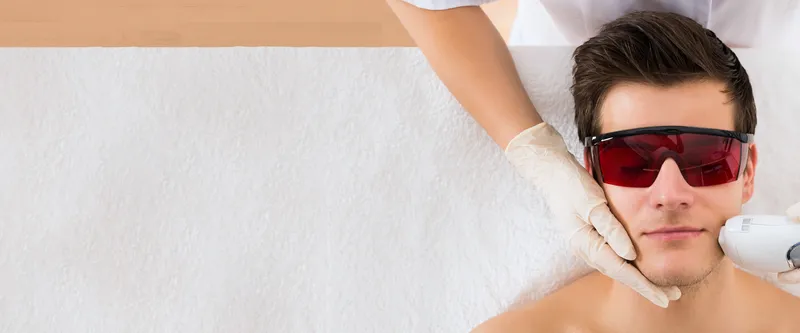
Titanium Facial Treatment: Understanding the Three-Wavelength Laser Lifting System
Medically reviewed by Dr. Kim Ji Sun, M.D., Ph.D., Board-Certified Otolaryngologist
Titanium is a non-surgical laser lifting treatment offered at Le.J Plastic Surgery in Seoul. Its distinguishing feature is that three laser wavelengths are delivered through a single applicator, which is what allows one treatment to address lifting, tightening and brightening rather than only one of the three. Daily activities resume immediately afterward. This article explains what the three wavelengths are for, how the treatment course is structured, and what determines whether it suits your skin.
Why three wavelengths rather than one
Different laser wavelengths are absorbed at different depths and by different targets in the skin. A single wavelength therefore does one job well.
Le.J Plastic Surgery's Titanium treatment delivers three wavelengths through one applicator, and the clinic associates the combination with lifting, tightening and brightening effects. The practical logic is that facial aging is not one problem: firmness, contour and tone decline together but are not the same tissue changes, and a treatment that addresses only one of them leaves the others untouched.
The delivery mode changes with the target as well. Le.J Plastic Surgery describes focused treatment being used for lifting and contouring, and broader delivery for tightening and brightening — so the applicator is used differently over the jawline than over the cheek.
The American Academy of Dermatology's general position on laser and light treatment supports the category: these treatments can reduce premature signs of skin aging and tighten the skin.
How it compares with ultrasound and radiofrequency
Non-surgical lifting is a family, not a single treatment, and the members differ in the physics rather than in the marketing.
Le.J Plastic Surgery sets out the comparison directly: ultrasound-based and radiofrequency-based lifting use different energy technologies from laser, and which one suits you is selected according to your skin and your particular lifting concern. Titanium uses laser energy. The clinic also offers Ultherapy PRIME, which is ultrasound-based, and Thermage FLX, which is radiofrequency-based.
That is a genuine choice rather than a preference, and it should be made after your skin has been assessed rather than from a brochure.
It is also worth separating laser lifting from laser resurfacing, which is a different operation with a different recovery. The American Society of Plastic Surgeons describes resurfacing as removing the outer layer of skin while heating the dermis beneath it to prompt new collagen. Titanium is described by Le.J Plastic Surgery as non-invasive with minimal downtime — it is not a resurfacing treatment, and the two should not be planned for interchangeably.
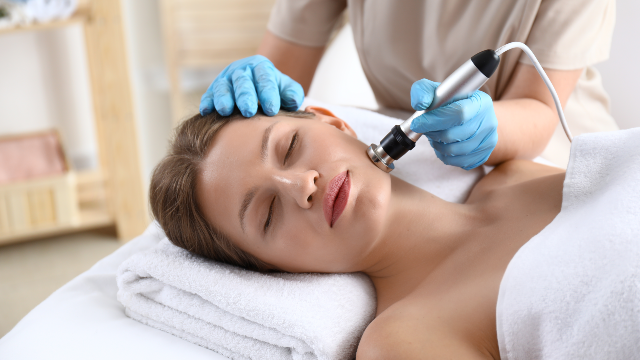
The treatment course
Le.J Plastic Surgery describes lifting, tightening and brightening effects as visible after a single treatment, with the fuller result following a series. The typical recommended course is three treatments at intervals of approximately three to four weeks.
There is a reason for the spacing. Collagen remodeling is not immediate, and treating again before the response to the previous session has developed adds energy without adding benefit.
The general picture for this class of treatment is similar. The American Academy of Dermatology describes non-ablative laser skin tightening as often requiring three to five treatments, with results appearing between two and six months after the final session. So a course of three at three-to-four-week intervals puts the meaningful assessment point well after the last appointment, not at it.
For an international patient, that arithmetic matters: a full course is a multi-week commitment, and a single session during a short visit is a start rather than a complete treatment.
What the appointment involves
The treatment uses a laser applicator to deliver energy to the selected facial areas, with the delivery mode chosen according to the target — focused where lifting and contouring are wanted, broader where tightening and brightening are.
Planning comes first. Le.J Plastic Surgery customizes the treatment according to facial firmness, contour, skin tone, sensitivity, facial anatomy, skin condition, and your individual priorities. That is a longer list than most consultations work through, and it is the list that determines both the areas treated and the intensity used.
Anesthesia arrangements may be non-sedation or sedation depending on the treatment approach.
Downtime: minimal, and what that means precisely
Titanium is generally associated with little downtime, and daily activities are possible immediately after treatment. Washing your face and applying makeup can generally resume straight away.
The effects reported are temporary warmth, tingling, or discomfort. Individual sensitivity varies, and the treatment should be adjusted according to your skin condition and how sensitive it is — which is one of the reasons sensitivity appears in the planning list rather than being discovered mid-session.
"Minimal downtime" is not the same as "no consequences," and the distinction is worth holding onto when comparing treatments.
Skin color, and why it changes the conversation
This is the most important safety point in laser treatment and the one most often left out of promotional material.
The American Academy of Dermatology states that darker skin is more prone to burns and to dark marks after laser treatment. That does not mean laser treatment is unavailable — it means the settings, the wavelength selection and the operator's experience with your skin type carry more weight, not less.
The AAD also makes a point that generalizes beyond skin color: the results of laser treatment depend largely on the skill of the person performing it. For a treatment where the same device can produce a good result or a burn depending on parameters, that is a statement about who is holding the applicator as much as about which device is in the room.
Two further practical items from the same source: some medications increase the skin's sensitivity to laser wavelengths, so your full medication list belongs in the consultation; and sun protection before treatment matters, not only after it.
Who is a candidate
Le.J Plastic Surgery describes suitable candidates as people looking for non-surgical facial lifting, skin tightening, refinement of facial contours, and skin rejuvenation.
People with conditions that make laser-based aesthetic treatment unsuitable are not appropriate candidates, and suitability is determined according to individual skin condition, facial anatomy, sensitivity and treatment goals rather than by age or by the complaint alone.
Titanium can also be used alongside other aesthetic treatments, with the combination chosen according to your skin condition and what you want to achieve.
The American Academy of Dermatology's general guidance on cosmetic treatment safety is the right frame for that decision: a cosmetic treatment is a medical procedure and carries medical risk like any other, and asking questions before agreeing to one is part of reducing that risk. For a laser treatment in particular, the questions worth asking are about your skin type, the settings chosen for it, and who will be operating the device on the day — not only on the day of the consultation.
What "brightening" means, and what it does not
Brightening sits alongside lifting and tightening in how Le.J Plastic Surgery describes Titanium, and it is the effect most likely to be misread.
It refers to the appearance of skin tone and clarity rather than to any change in your natural complexion. Skin tone is one of the factors the clinic assesses when customizing the treatment, alongside facial firmness, contour, sensitivity and anatomy — which is the practical sign that tone is being treated as one variable among several rather than as the headline.
It is also the effect that depends most on the broader delivery mode rather than the focused one, since it concerns a wider area of skin surface rather than a specific contour being lifted. If tone rather than laxity is your main concern, say so explicitly at consultation, because it changes how the applicator is used and which areas are prioritized.
The sensible expectation is an improvement in how even and clear the skin looks, developing across the course rather than appearing at the first session.
Protecting the result
Whatever a lifting treatment achieves, the forces that made it necessary keep operating.
Two points from the MedlinePlus skin-aging page, which credits the NIH National Institute on Aging, are worth carrying away: skin grows thinner and loses fat over the years, and sunlight ranks among the major causes of that change. A course of three treatments spread over roughly two months, with results developing for months afterward, is a long investment to leave unprotected.
If you are considering Titanium from outside Korea, an online consultation before travel lets your skin be assessed and the course planned against the time you actually have. Start on the contact page; the about page explains how treatment here is built around the individual.
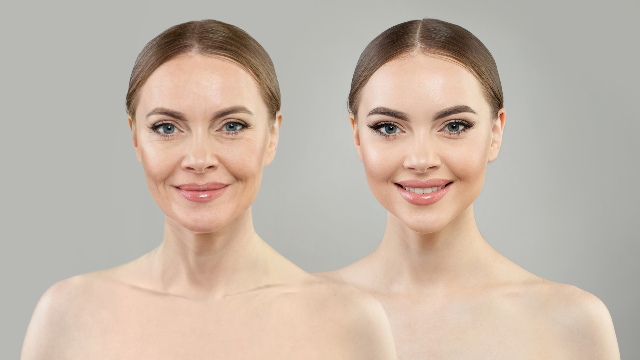
The Bottom Line
- Titanium delivers three laser wavelengths through a single applicator, which Le.J Plastic Surgery associates with lifting, tightening and brightening.
- The typical recommended course is three treatments at intervals of approximately three to four weeks, with effects visible after one and fuller results after the series.
- Delivery mode varies by target: focused for lifting and contouring, broader for tightening and brightening.
- Downtime is minimal — daily activities, washing and makeup can generally resume immediately, with temporary warmth, tingling or discomfort reported.
- The American Academy of Dermatology notes that darker skin is more prone to burns and dark marks after laser treatment, and that results depend largely on the skill of the operator.
Frequently Asked Questions
How many Titanium treatments will I need?
Le.J Plastic Surgery describes effects as visible after a single treatment, with optimal results following a series — typically three treatments at intervals of approximately three to four weeks. The American Academy of Dermatology similarly describes non-ablative laser tightening as often requiring three to five treatments.
When will I see the result?
Lifting, tightening and brightening effects can be visible after one treatment, and the fuller result follows the course. The American Academy of Dermatology places the results of non-ablative laser tightening between two and six months after the final session, so the assessment point sits well after the last appointment.
Is Titanium the same as laser resurfacing?
No. The American Society of Plastic Surgeons describes resurfacing as removing the outer layer of skin while heating the dermis beneath it. Le.J Plastic Surgery describes Titanium as non-invasive with minimal downtime, which is a different category of treatment with a different recovery.
Is laser treatment safe for darker skin?
It requires more care. The American Academy of Dermatology states that darker skin is more prone to burns and to dark marks after laser treatment, and that outcomes depend largely on the skill of the person performing it. Your skin type should be part of the planning conversation rather than an afterthought.
What does the treatment feel like, and is there downtime?
Temporary warmth, tingling or discomfort are the reported effects, and sensitivity varies between individuals. Daily activities resume immediately, and washing the face and applying makeup can generally be resumed straight away.
Should I mention my medications?
Yes. The American Academy of Dermatology notes that some medications increase the skin's sensitivity to laser wavelengths. A complete list, including anything applied to the skin, belongs in the consultation before any settings are chosen.
How does Titanium differ from Ultherapy or Thermage?
By the energy used. Le.J Plastic Surgery notes that ultrasound-based and radiofrequency-based lifting use different energy technologies from laser, and the choice is made according to individual skin and the specific lifting concern. Titanium uses laser energy delivered across three wavelengths.
This article is for general informational purposes and does not constitute individualized medical advice. It is not a self-diagnosis tool. Treatment candidacy, technique, and expected outcomes can only be determined through a consultation with a qualified surgeon.
References
- American Academy of Dermatology: Skin Conditions Lasers Treat
- American Academy of Dermatology: Firm Sagging Skin
- American Academy of Dermatology: Cosmetic Treatment Safety
- American Society of Plastic Surgeons: Laser Skin Resurfacing
- MedlinePlus: Skin Aging
Ready for a Personalized 1:1 Consultation?
Dr. Kim Ji Sun personally conducts every consultation, surgical plan, and follow-up at Le.J Plastic Surgery in Gangnam, Seoul.